
Remembrance Day · Saturday, 11 November 2028
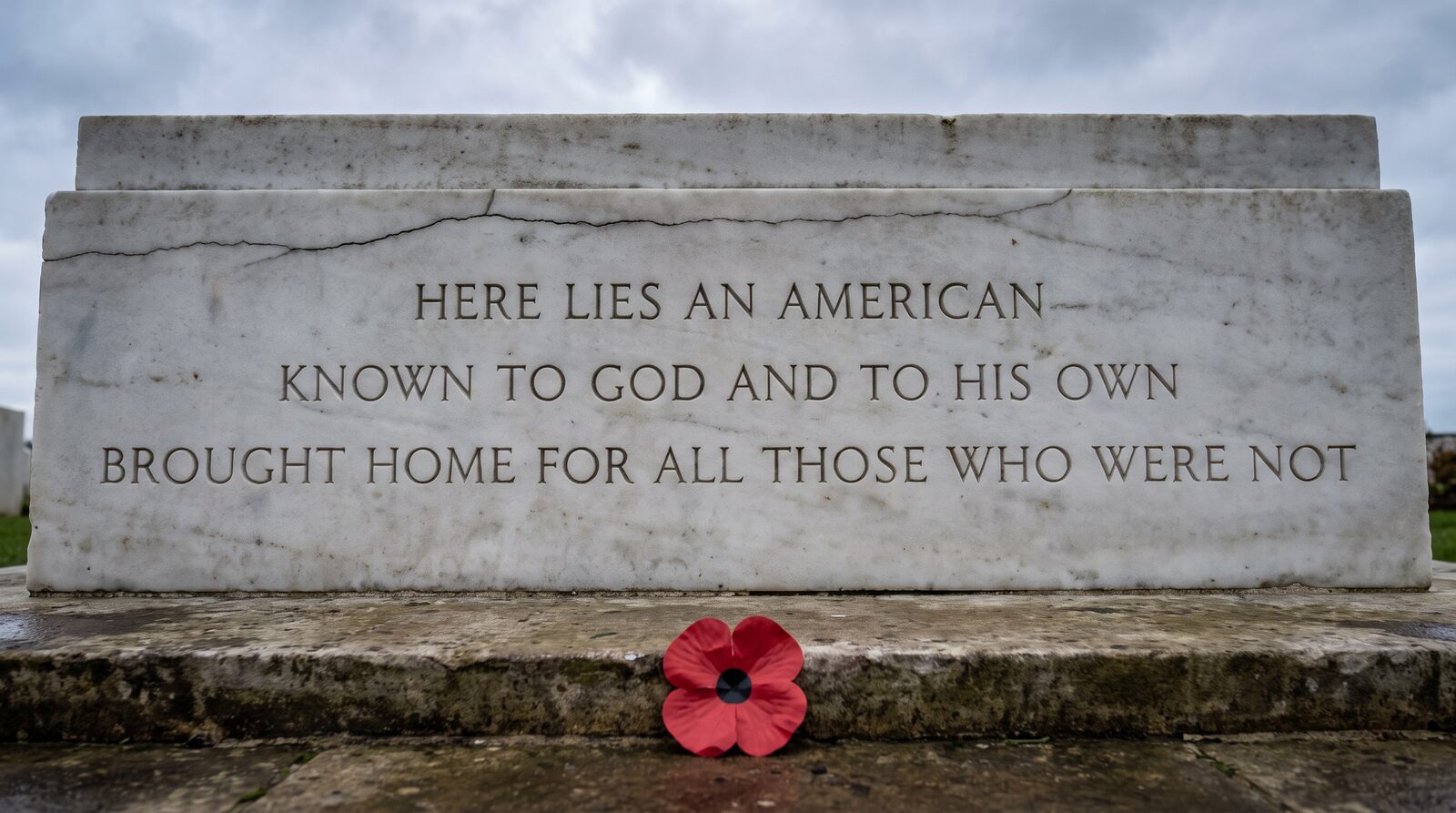
This book is not about heroes. English Poetry is not yet fit to speak of them.
Nor is it about deeds, or lands, nor anything about glory, honour, might, majesty, dominion, or power, except War.
Above all I am not concerned with Poetry.
My subject is War, and the pity of War.
The Poetry is in the pity.
Yet these elegies are to this generation in no sense consolatory. They may be to the next. All a poet can do today is warn. That is why the true Poets must be truthful.
In Flanders Fields
In Flanders fields the poppies blow
Between the crosses, row on row,
That mark our place; and in the sky
The larks, still bravely singing, fly
Scarce heard amid the guns below.
We are the Dead. Short days ago
We lived, felt dawn, saw sunset glow,
Loved and were loved, and now we lie
In Flanders fields.
Take up our quarrel with the foe:
To you from failing hands we throw
The torch; be yours to hold it high.
If ye break faith with us who die
We shall not sleep, though poppies grow
In Flanders fields.
John McCrae, 1915. Sung last at the Tomb on the Eleventh, before the silence.
This evening the Last Post and Taps sound on the crest at Arlington.
At eleven o'clock, the silence.